
ASHEVILLE-BUNCOMBE ARTS RECOVERY FRAMEWORK
Framework at a Glance
Strategic Approaches

Strengthen
Stabilize and reinforce the systems that support arts professionals, creative businesses, and cultural organizations.

Expand
Increase opportunities for participation, production, arts learning, and cultural experiences across Buncombe County.

Integrate
Embed arts and culture into broader systems including economic development, infrastructure, tourism, housing, and planning.
Implementation Timeframes
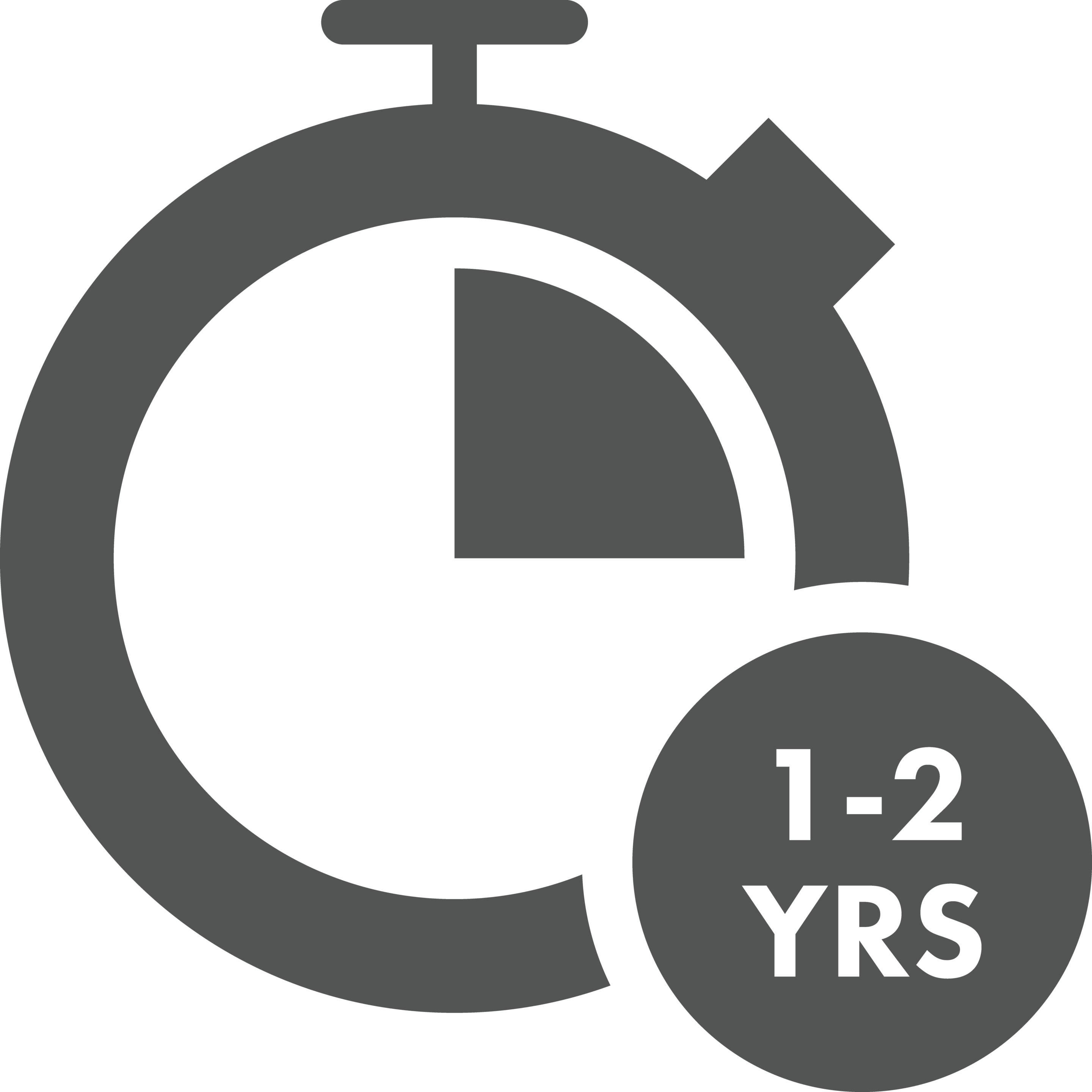
Short-Term (1–2 Years)– Initiate coordination, partnerships, and early implementation efforts.
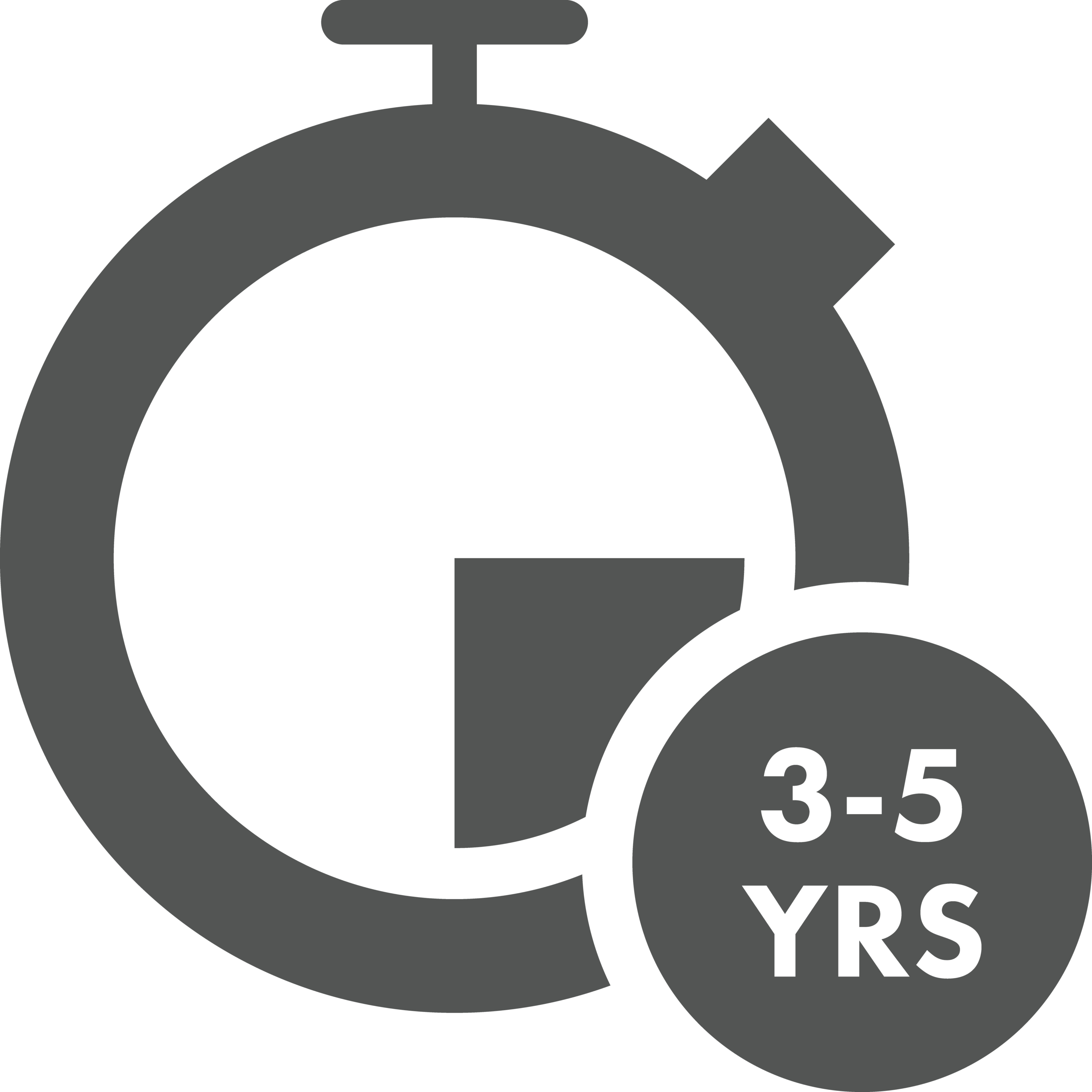
Mid-Term (3–5 Years)– Expand systems, infrastructure, partnerships, and alignment.
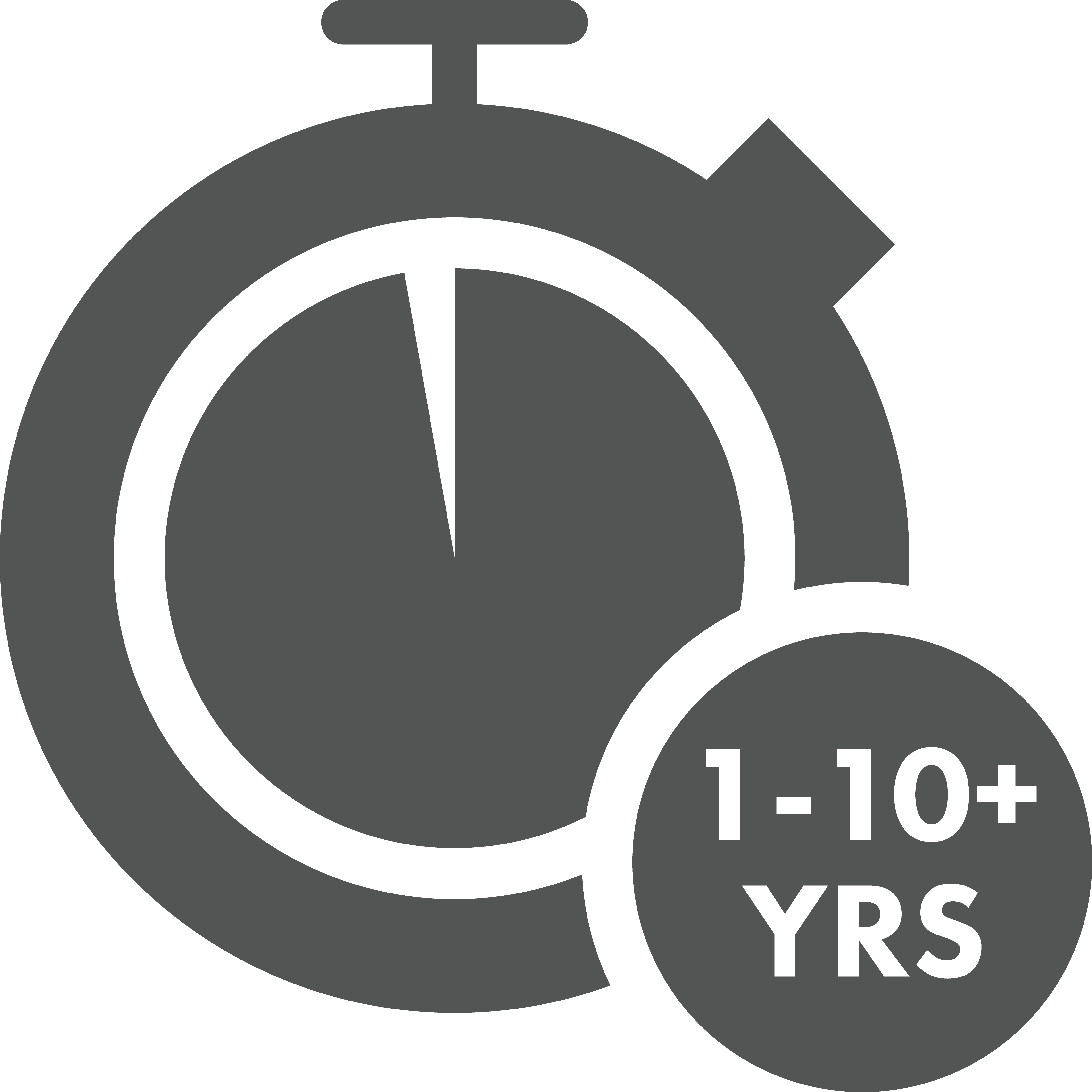
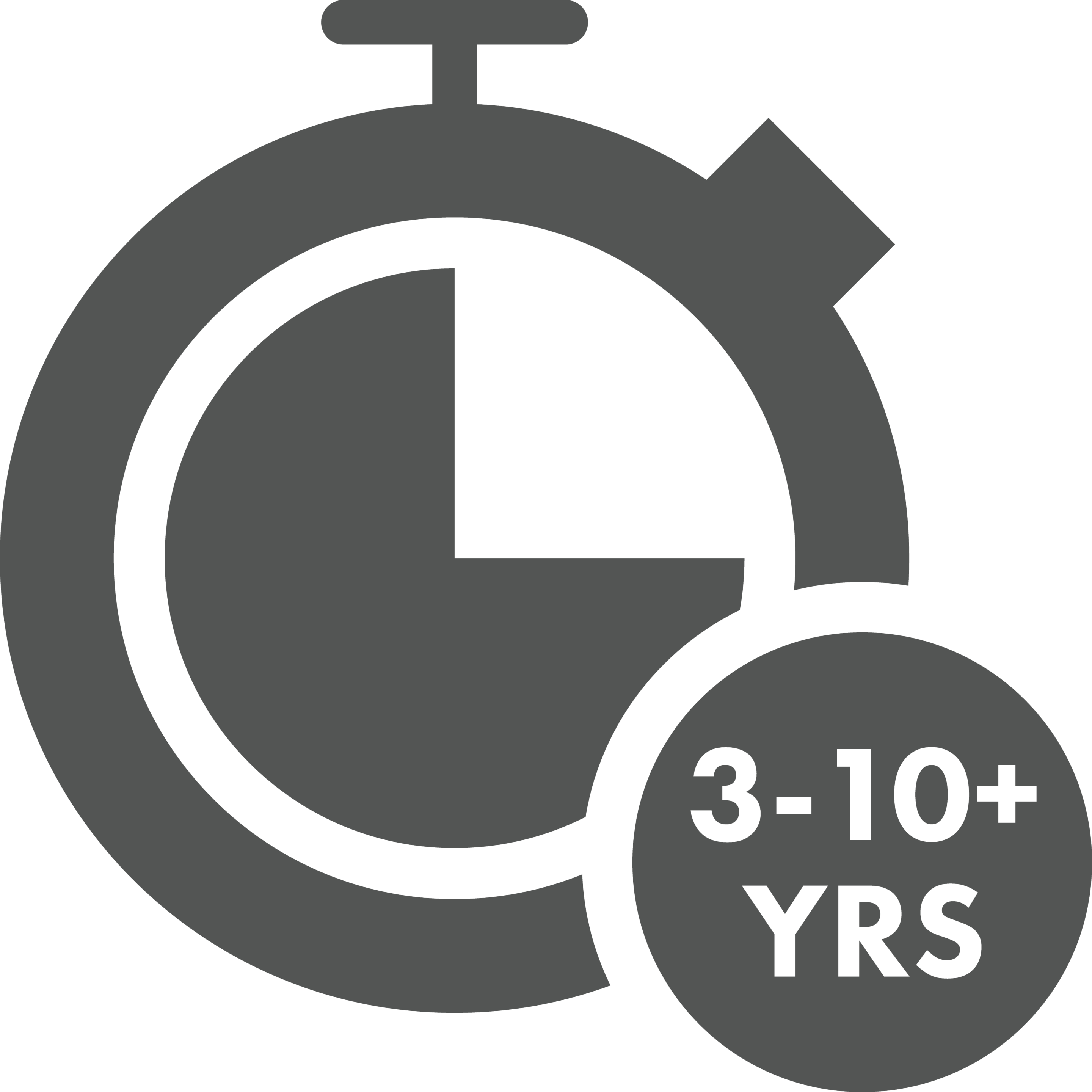
Long-Term (6–10+ Years)– Integrate arts and culture into broader planning, investment, and economic development systems.
Focus Areas & Recommendations
Focus Areas & Recommendations
Arts Districts
Arts districts function as centers of cultural production, tourism, creative business activity, and community identity across Buncombe County. The framework recommends stronger coordination, visibility, governance, and integration into long-term planning and economic development systems.
Key Recommendations
- Build a collaborative network for arts district leadership
- Develop a regional arts district framework
- Strengthen visibility and connectivity across districts
- Integrate arts districts into planning and economic development systems
Public Art
Public art serves as civic infrastructure that shapes public space, supports placemaking, and reflects community identity. The framework recommends more coordinated planning, artist support, and integration with infrastructure and public space projects.
Key Recommendations
- Establish a coordinated public art system
- Expand opportunities for local artists
- Integrate art into public infrastructure and placemaking
- Develop a countywide inventory and maintenance plan
Arts in Park, Libraries & Community Centers
Parks, libraries, and community centers serve as important access points for arts participation, youth engagement, arts learning, and community programming across Buncombe County.
Key Recommendations
- Align arts with civic infrastructure systems
- Expand arts programming in civic spaces
- Enable civic spaces for creative production
- Expand geographic equity of access
Public Arts & Entertainment Facilities
Public arts and entertainment facilities serve as major components of regional cultural infrastructure and economic activity. The framework recommends coordinated planning, workforce development, and stronger integration with tourism and district systems.
Key Recommendations
- Coordinate planning for cultural facilities
- Support workforce development in live events and entertainment
- Define community benefit for public facilities
- Integrate facilities into district and economic systems
Creative Economies
The creative economy — including music, craft, and related industries — is a major driver of regional economic activity and cultural identity. The framework recommends strengthening infrastructure, workforce systems, production capacity, and market access.
Key Recommendations
- Integrate creative industries into economic development systems
- Strengthen music industry infrastructure
- Strengthen craft industry systems
- Invest in market access and regional creative industry growth
Live & Work Space for Creatives
Affordable and functional creative space is essential to sustaining artists, creative businesses, and cultural production. The framework positions creative space as critical long-term infrastructure.
Key Recommendations
- Improve access to creative workspace
- Support shared and flexible space models
- Advance creative workspace development and preservation strategies
Support for Arts Business
Arts businesses — including nonprofit organizations, creative enterprises, and independent arts professionals — form the operational backbone of the creative ecosystem. The framework recommends stronger coordination, expanded funding access, and improved business support systems.
Key Recommendations
- Strengthen coordination across creative business support systems
- Expand access to funding and financial resources
- Expand technical assistance and career development pathways
FROM FRAMEWORK TO ACTION
The Framework is designed to connect and strengthen work across Asheville, Buncombe County, and Western North Carolina—not to sit on a shelf. Many of its priorities are already advancing through public investment, regional collaboration, infrastructure planning, and new initiatives supporting the creative sector.
Creative Business Recovery
ArtsAVL is administering more than $3.5 million in direct recovery funding for the creative sector, supporting both nonprofit arts organizations and for-profit creative businesses impacted by Hurricane Helene.
Regional Creative Economy
ArtsAVL is working with state and regional partners to strengthen Western North Carolina’s craft and creative industries, develop a broader regional Creative Economy strategy, and ensure the creative sector is represented in recovery and economic development planning.
Creative Visibility & Arts Districts
Expansion of ArtsAVL’s Creative Portal and an arts district pilot initiative are strengthening how residents and visitors discover local artists, creative businesses, cultural organizations, events, and creative destinations.
Creative Space
Craft Your Commerce at Mountain BizWorks is developing resources to help creatives navigate purchasing and leasing space, while Creative Campus and other workspace initiatives are exploring new models for expanding creative production infrastructure.
Public Infrastructure & Cultural Facilities
Recovery planning for parks and commercial districts damaged by Hurricane Helene, the City of Asheville’s ongoing assessment of a potential Arts & Entertainment Facility, and other major community projects create opportunities to integrate arts, culture, and creative businesses into long-term infrastructure investment.
Public Art
ArtsAVL is working with public and community partners to strengthen public art systems, including development of a countywide inventory and maintenance strategy and greater coordination around the stewardship of existing public art assets.
The Framework provides a shared reference point for connecting this work, identifying gaps, and guiding future coordination and investment.
ABOUT THE FRAMEWORK
The Asheville-Buncombe Arts Recovery Framework strengthens and better aligns the systems that support arts and culture across Asheville and Buncombe County while recognizing the community’s connection to the broader Western North Carolina creative economy.
Artists, creative businesses, cultural organizations, venues, public spaces, tourism, workforce systems, and economic development efforts are deeply interconnected. While many important initiatives already exist, they have not always been connected through a shared long-term strategy.
The Framework provides that structure for alignment.
Strategic Approaches
Strengthen
Stabilize and reinforce the systems that support arts professionals, creative businesses, and cultural organizations.
Expand
Increase opportunities for creative production, participation, arts learning, and cultural experiences across Buncombe County.
Integrate
Embed arts and culture more fully into economic development, infrastructure, tourism, and community planning.
Implementation & Partnership
Implementation of the framework will occur through coordinated action across multiple organizations, agencies, sectors, and funding systems over time.
The framework is designed to:
- Align existing initiatives and investments
- Improve coordination across public and private partners
- Strengthen visibility into related work across sectors
- Support long-term recovery and resilience
- Adapt over time as conditions and opportunities evolve
The framework was developed through collaboration between ArtsAVL, Buncombe County Government, the City of Asheville, Explore Asheville, the Asheville Area Chamber of Commerce, Lord Cultural Resources, and numerous artists, organizations, businesses, and community stakeholders.
Implementation & Partnership
Implementation of the framework will occur through coordinated action across multiple organizations, agencies, sectors, and funding systems over time.
The framework is designed to:
- Align existing initiatives and investments
- Improve coordination across public and private partners
- Strengthen visibility into related work across sectors
- Support long-term recovery and resilience
- Adapt over time as conditions and opportunities evolve
The framework was developed through collaboration between ArtsAVL, Buncombe County Government, the City of Asheville, Explore Asheville, the Asheville Area Chamber of Commerce, Lord Cultural Resources, and numerous artists, organizations, businesses, and community stakeholders.
Latest News
Public Safety in Asheville–Buncombe: An Arts AVL Brief for Arts Professionals & Supporters
Explore Asheville-Buncombe’s public safety challenges through an arts lens, including impacts on artists, arts workers, cultural organizations, and creative businesses.
Housing in Asheville–Buncombe: An Arts AVL Brief for Arts Professionals & Supporters
Explore Asheville-Buncombe’s housing challenges through an arts lens, including impacts on artists, arts workers, and the broader creative workforce.
Local Government Revenue & Budget Challenges in Asheville–Buncombe: An Arts AVL Brief for Arts Professionals & Supporters
Explore Asheville-Buncombe’s local government funding through an arts lens, including how public dollars are raised, allocated, and invested in the community.