

Photos courtesy of Sew Co, East Fork Pottery, North Carolina Glass Center, RED Metal, and Crafted Glory
From Craft Traditions to a $2.3 Billion Industry: The Economic Power of Making in Western North Carolina
New research reveals how creative manufacturing supports 10,400 jobs and offers opportunities to strengthen the region’s economic future.
ASHEVILLE, NC — November 2026 — Western North Carolina is known for its makers. From generations of textile workers and furniture makers to internationally recognized ceramic and glass artists, the region has built a reputation for creativity and craftsmanship. But the economic power of these industries may be bigger than many people realize.
A new study reveals that creative manufacturing across Western North Carolina generates $2.3 billion in annual sales, supports approximately 10,400 jobs, and contributes $860 million to the regional economy. And with much of the industry’s supply chain spending flowing outside the region, the research points to opportunities to keep more of that economic activity—and the jobs it supports—closer to home.
Commissioned by ArtsAVL and Land of Sky Regional Council and conducted by Riverbird Research, Creative Manufacturing in Western North Carolina: Industry, Labor Market, and Supply Chain Overview examines five industries—textiles, ceramics, glass, metals, and wood—across 26 counties. The findings offer a new perspective on how the region’s creative heritage can help drive its economic future.
“Western North Carolina’s rich tradition of craftsmanship and making is more than part of our cultural heritage. It is an important economic driver and a competitive advantage for our region,” said Katie Cornell, Executive Director of ArtsAVL. “The Western North Carolina Economic Recovery Plan recognizes the creative economy as a key opportunity for rebuilding and strengthening our region, and calls for expanding our Asheville–Buncombe Arts Recovery Framework across WNC. This research provides valuable data to help advance that work while also informing the emerging WNC Creative Economy Strategic Plan. It’s about connecting our creative strengths with economic development opportunities that support businesses, create jobs, and build a more resilient regional economy.”
A Regional Economic Powerhouse
The study found that four of the five creative manufacturing industry groups have employment concentrations above national averages, demonstrating Western North Carolina’s distinctive strengths in these industries.
Among the report’s key findings:
- Textiles: More than 6,000 jobs and $1.2 billion in annual sales, making textiles the largest of the five industry groups studied.
- Wood: Nearly 3,000 jobs and $614 million in annual sales, reflecting the region’s longstanding furniture-making and woodworking traditions.
- Glass: Nearly 1,000 jobs and $358 million in annual sales, with a particularly strong economic multiplier that supports additional jobs throughout the regional economy.
- Ceramics: More than 200 jobs and $32 million in annual sales, with a high concentration of self-employed workers reflecting the importance of independent makers and craft-based businesses.
- Metals: More than 100 jobs and $31 million in annual sales, contributing to the region’s broader manufacturing ecosystem.
Together, these industries contribute approximately $860 million to the region’s GDP and support a network of suppliers, businesses, and workers extending beyond their direct employment.
The research also found that textiles, ceramics, glass, and wood manufacturing are more concentrated in Western North Carolina than nationally, reinforcing the region’s competitive advantages in these sectors.
“The industries in this study collectively reflect a level of specialization and manufacturing expertise built over generations. They also show how creative and traditional manufacturing are connected. The two share skills, suppliers, and workforce pathways, and these connections offer opportunities to build on the region’s longstanding strengths,” said Heidi Reiber, Senior Director of Research at Riverbird Research, the research division of the Asheville Area Chamber of Commerce.
Keeping More Economic Activity in Western North Carolina
One of the study’s most significant findings is the opportunity to strengthen regional supply chains.
Across the five industries, approximately 60% to 70% of supply chain purchases are sourced from outside the 26-county region. While manufacturers will continue to rely on suppliers beyond Western North Carolina, the findings suggest opportunities to connect regional businesses with one another, expand local production capabilities, and retain more economic activity within the region.
The study also highlights the importance of workforce development. Community colleges, universities, and nationally recognized craft institutions provide specialized training that helps sustain these industries, while stronger connections between education and employers could help address workforce needs and create new career pathways.
For local businesses, these findings point to practical opportunities: new supplier relationships, expanded markets, stronger workforce pipelines, and greater collaboration across industries.
“This research gives Western North Carolina a foundation for turning our creative strengths into economic opportunity. It also advances the priorities of our Comprehensive Economic Development Strategy by identifying actionable ways to connect creators, suppliers, educators, and workforce partners. By strengthening these connections, we can help local businesses grow, develop stronger career pathways, retain more economic value in our communities, and build a more resilient, connected, and competitive creative economy,” said Erica Anderson, AICP, Deputy Executive Director and Economic & Community Development Director at Land of Sky Regional Council.
Turning Research into Regional Economic Opportunity
The study comes at an important moment as Western North Carolina and state leaders work to better integrate arts, culture, and creative industries into long-term economic development strategies.
Released in September 2026, the Western North Carolina Economic Recovery Plan identifies arts and culture as a key economic driver and recognizes opportunities to strengthen the region’s creative economy through business development, expanded markets, supply chain connections, and workforce investment.
The plan also calls for adapting the Asheville–Buncombe Arts Recovery Framework for the broader Western North Carolina region. Developed through extensive community engagement and released in September 2026, the framework includes 26 recommendations across seven focus areas to strengthen the arts and cultural sector over the next decade. Its priorities extend beyond disaster recovery to address the systems, infrastructure, partnerships, and economic opportunities needed for long-term sustainability.
The creative manufacturing study provides valuable data to help inform regional work, identifying existing industry strengths and opportunities to better connect creative businesses with economic development resources.
The findings are also relevant to the emerging Western North Carolina Creative Economy Strategic Plan, an initiative involving the North Carolina Department of Commerce and Department of Natural and Cultural Resources. Focused on WNC, this planning effort presents an opportunity to better understand the region’s creative industries and identify strategies to support business growth, workforce development, and long-term economic resilience.
These efforts build on work already underway through Crafted in WNC, a regional economic development initiative involving Land of Sky Regional Council, Mountain BizWorks, ArtsAVL, the Center for Craft, and the North Carolina Arts Council. The initiative focuses on strengthening the region’s craft economy through business development, market expansion, and greater collaboration among creative businesses and regional partners.
The region’s creative economy is also attracting national attention and investment. Research commissioned by Etsy and conducted by Nest identified Asheville and Western North Carolina as one of five significant craft hubs nationwide. Building on that research, Etsy and the Center for Craft launched the $10 million Craft Catalyst Initiative to invest in organizations supporting craft communities across the country, including Western North Carolina. The initiative further underscores the region’s national significance as a center for craft and creative enterprise.
Together, these initiatives create opportunities to translate research and planning into strategies that support businesses, strengthen the creative workforce, and expand economic opportunities across Western North Carolina.
Building on What Makes Western North Carolina Unique
Western North Carolina’s creative manufacturing economy encompasses a wide range of businesses, from independent makers and small studios to established manufacturers employing hundreds of workers.
While the study focuses on five selected industry groups, the region’s broader creative manufacturing activity extends beyond what is captured in standard economic data. Many independent makers and creative businesses are classified under other industry categories, meaning the research does not capture every business contributing to the region’s creative economy.
The findings provide a foundation for continued collaboration among manufacturers, artists, entrepreneurs, educators, and economic development partners. They also reinforce the importance of recognizing creative industries not simply for their cultural contributions, but for their role in creating jobs, supporting businesses, and strengthening regional economic resilience.
For a region rebuilding after Hurricane Helene and planning for its economic future, the message is clear: Western North Carolina’s tradition of making is not just part of its past. It is an asset for building its future.
Read the full report: Creative Manufacturing in Western North Carolina: Industry, Labor Market, and Supply Chain Overview (October 2026).
Related Reports
What North Carolina’s Economic Recovery Plan Says About the Arts
North Carolina’s WNC Economic Recovery Plan recognizes arts and culture as part of the region’s recovery and an opportunity for future economic growth.
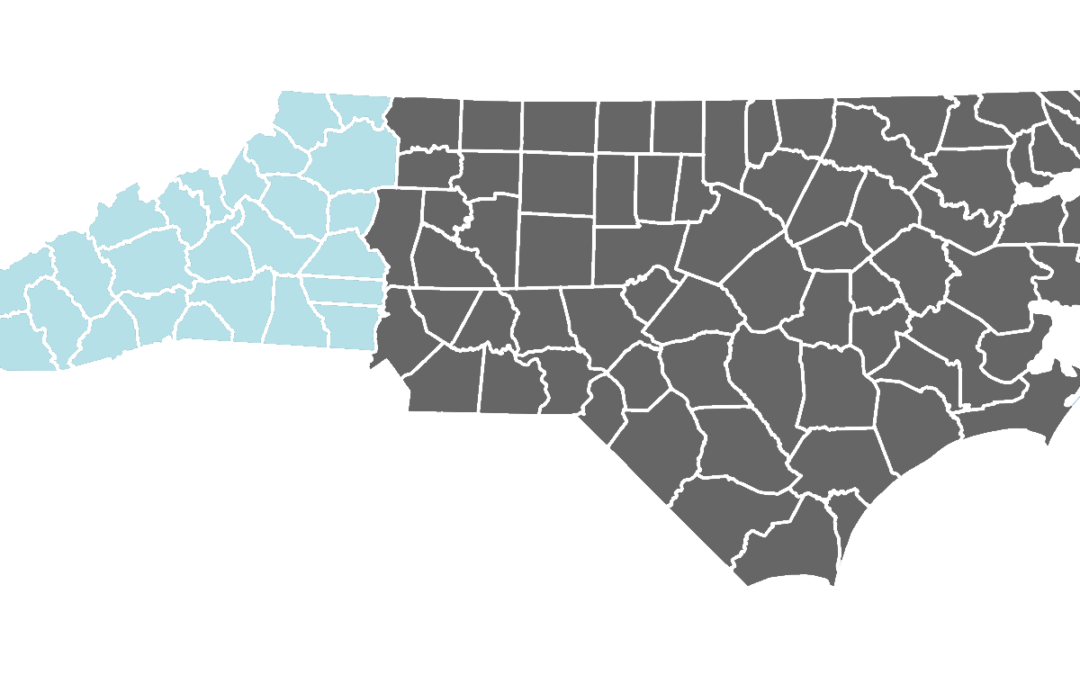
ArtsAVL Releases 2026 Creative Economy Snapshots for 28 Western North Carolina Counties
ArtsAVL’s 2026 Creative Economy Snapshots track jobs, sales, and recovery trends across the 28 westernmost counties of North Carolina following Hurricane Helene.
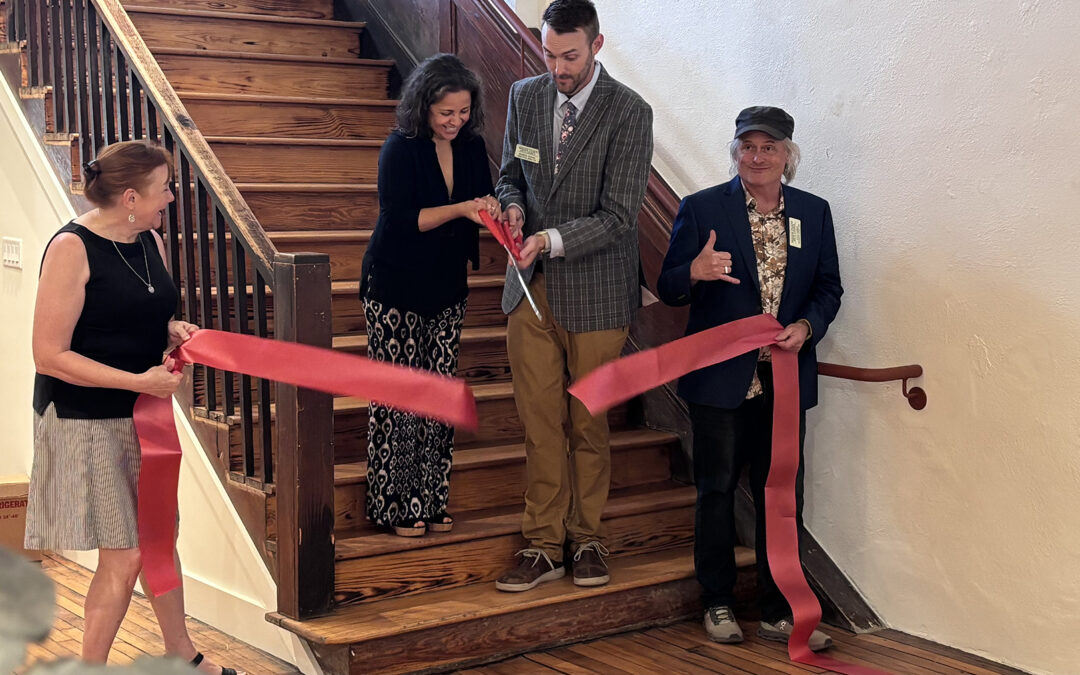
One Year Later: Survey Offers New Insights into Arts Business Recovery
One year after ArtsAVL awarded Arts Business Relief Grants, a new survey highlights the recovery of Western North Carolina arts businesses.